25.09.2026
Weekend in the Mountains? Wildlife You Might Spot in North Macedonia
Weekend in the Mountains? Wildlife You Might Spot in North Macedonia

The weekend is coming, and you’re already planning a mountain getaway. While checking the route and the weather forecast, remember that the forests and mountain slopes are also home to wild animals. You may not see them, but you might spot their tracks, a feather, or a movement between the trees.
North Macedonia’s mountain regions are home to brown bears, wolves, foxes, chamois, wild boar and many species of birds. The Balkan lynx also lives in remote forests, but it is extremely rare and difficult to spot.
Seeing a wild animal can be a memorable experience, but it’s best to give it space and let it carry on. Here are some of the animals you might encounter on a hike, and how to behave responsibly.
Bears: a rare encounter calls for calm
Brown bears live in forested and mountainous areas, including Mavrovo National Park. Bears generally avoid people, so you’re more likely to find a track or disturbed patch of earth than to see one. Still, it’s important not to surprise a bear at close range, especially on a trail with limited visibility.
Stay on marked trails, remain aware of your surroundings and avoid moving quietly through dense vegetation. If you spot a bear, don’t approach it for a photo or try to feed it. Don’t run. Move away slowly and give it room to leave.
Chamois: look for them on rocky slopes
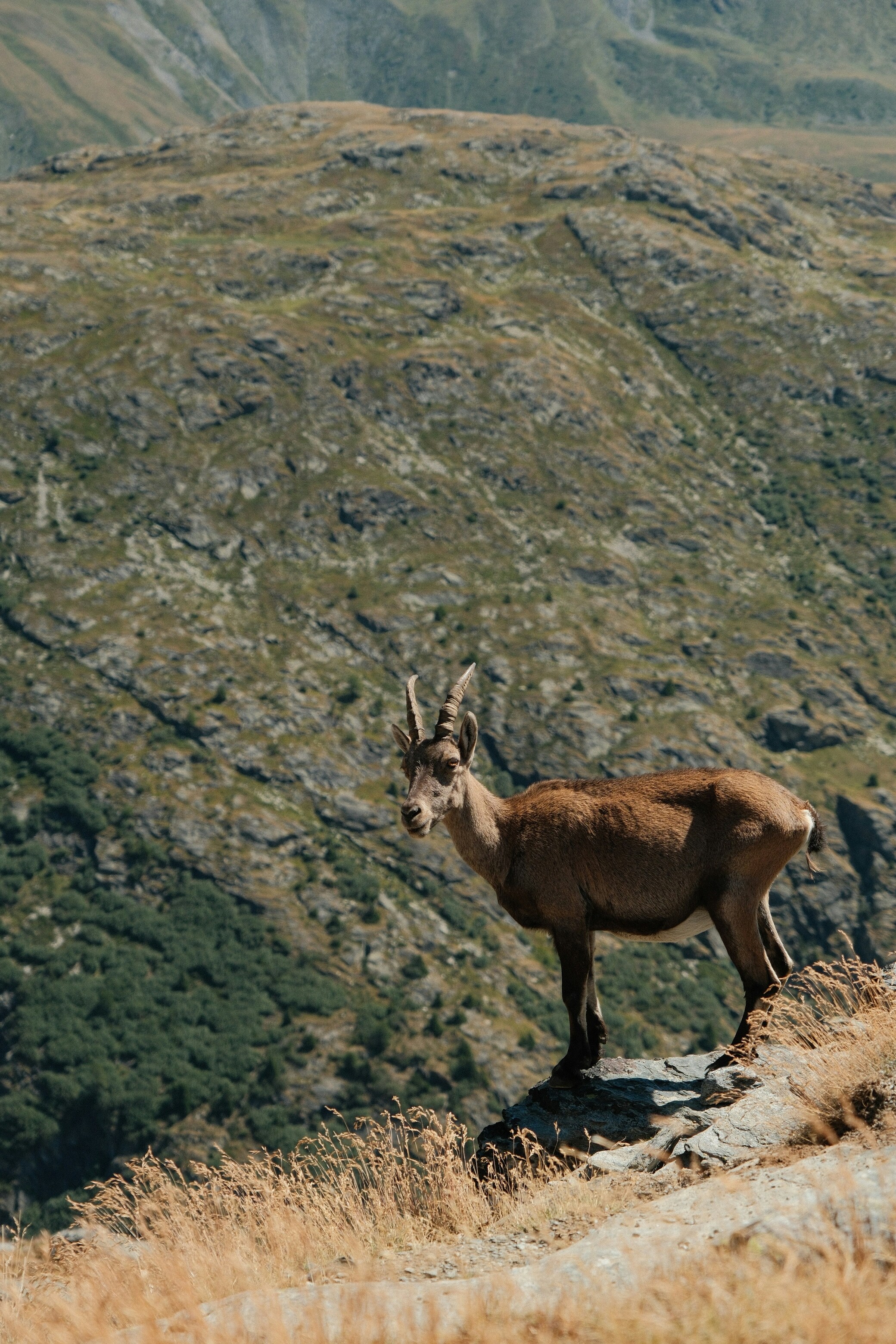
Chamois are adapted to steep, rocky terrain. They live in mountainous areas of North Macedonia and are usually spotted from a distance, moving along rocky slopes or standing on difficult-to-reach ledges.
If you see a chamois, stop and watch without approaching. Don’t chase it or block its route. The best way to observe wildlife is from a safe distance, using binoculars or your camera’s zoom.
Wolves and foxes: you’re more likely to spot their tracks
Wolves and foxes are cautious animals that generally avoid people. You might notice their tracks in mud or snow, signs of movement, or an animal disappearing quickly between the trees. If you see a wolf or fox, don’t follow it, and don’t leave food on the trail or at your campsite.
If you’re hiking with a dog, keep it under control and follow the rules of the area you’re visiting. This reduces the chance of your dog wandering off or disturbing wildlife.
Wild boar: keep your distance from young animals
Wild boar live in forests and areas with dense vegetation. You might notice patches of turned-up earth or tracks, and sometimes an animal quickly disappearing into the undergrowth.
If you come across a wild boar or its young, don’t approach and don’t get between them. Give them room and move away without sudden movements. Don’t try to feed them or take close-up photos.
Birds of prey: look up
Birds of prey can often be seen circling above mountain valleys and ridges. Even if you can’t identify the species, watching from the trail is a good way to enjoy wildlife without disturbing it.
Bring binoculars if you’re interested in birdwatching, and avoid approaching nests or places where birds are feeding.
Snakes: watch where you step
In warmer months, snakes may bask on rocks or move through low vegetation. Wear closed-toe footwear, watch where you step and check before reaching under rocks or into dense bushes.
If you see a snake, stop and give it a chance to move away. Don’t touch, strike or try to catch it.
If someone is bitten, seek urgent medical care. Keep the bitten area as still as possible. Don’t cut the wound, try to suck out the venom or tie a tight band above the bite.
How to respect wildlife in the mountains
Stay on marked trails and check local rules before setting out. Don’t feed wild animals or leave food scraps or litter behind. Don’t approach animals to take photos or try to touch them.
If you spot an animal, stay calm and give it room to move away. Keep your dog under control and don’t let it chase wildlife. Tell someone where you’re going, especially if you’re planning a long hike or heading into a remote area.
The mountains are home to wildlife
A hike is about more than reaching the summit. Trails pass through the habitats of animals we may never see, but which are an important part of nature. If you spot tracks or an animal in the distance, observe from a safe distance and continue without disturbing it.
Before your weekend trip, plan your route, check conditions and pack the gear you need. And if you’re lucky enough to see a wild animal, give it space and take home the memory, not a piece of nature.
Блог
Препораки
Read More
Weekend in the Mountains? Wildlife You Might Spot in North Macedonia
Planning a hike? Discover the wild animals that live in North Macedonia’s mountains and what to do if you spot a bear, chamois, wolf or snake.

Why Does Japan Have So Few Trash Bins Yet Such Clean Streets?
Why are there so few public trash bins in Japan, yet the streets remain remarkably clean? Discover the culture, habits and social norms behind this fascinating phenomenon.

Meet Viktor: The Maestro of Neapolitan Pizza
Meet Viktor: The Maestro of Neapolitan Pizza

From Numbers to Mosaics: A Creative Team-Building Experience in Berovo
From Numbers to Mosaics: A Creative Team-Building Experience in Berovo

6 Destinations to Discover This October
October is the perfect month to travel. Discover 6 destinations highlighted by National Geographic and find inspiration for your next adventure.

Madrid Formula 1 Grand Prix: MADRING Confirmed to Host the Race Again in 2027
Madrid will host Formula 1 again in 2027. The inaugural MADRING race attracted more than 360,000 visitors and had a significant impact on tourism.