16.10.2026
Smart Travel in the Digital Age: How to Book Safely and Avoid Scams
Smart Travel in the Digital Age: How to Book Safely and Avoid Scams

Smart Travel in the Digital Age: How Technology Can Help Us Choose, Book, and Travel More Safely
Technology has become an essential part of modern travel. With just a few clicks, we can discover new destinations, compare accommodation, read reviews, contact hosts, and make reservations without leaving home. However, having access to so much information does not automatically mean that we are making the right decisions.
The key is knowing how to use technology wisely, verify the information we find, and recognize potential risks before making a reservation.
Making informed decisions when choosing accommodation
Choosing accommodation is often one of the first steps in planning a trip. Online platforms make it easier to compare prices, locations, facilities, and different types of accommodation. But before making a decision, it is important to look beyond the photographs and the price.
Read the description carefully, check which facilities are included, and make sure the location suits your travel plans. Pay attention to the reservation conditions, cancellation policies, check-in and check-out times, and any additional costs.
Reviews from previous guests can also provide valuable information. Instead of focusing only on the overall rating, read the comments and look for details that matter to you. This will help you form a more realistic picture of what to expect.
Why written communication matters
Communication with a host or service provider is an important part of planning a successful trip. Asking questions before booking can help prevent misunderstandings and ensure that the accommodation meets your expectations.
Whenever possible, keep important information in writing. Confirm details such as the number of guests, arrival time, available facilities, payment conditions, and any special requests.
Written communication provides a clear record of what has been agreed upon and makes it easier for both parties to refer back to the details if necessary.
Good communication is not only about protecting yourself. It also helps create a better relationship between guests and hosts, based on trust, transparency, and mutual respect.
Online payments: Convenience with caution
Online payments have made travel reservations faster and easier. However, convenience should never come at the expense of security.
Before making a payment, check whether you are using the official website or a trusted booking platform. Review the payment conditions and make sure you understand whether a deposit is required, when the remaining balance is due, and whether any additional fees apply.
Be cautious if someone asks you to transfer money through an unfamiliar service or pressures you to make an immediate payment outside the agreed booking process. Unexpected payment requests should always be verified before you proceed.
Never share your banking details, passwords, or security codes with someone who contacts you unexpectedly. If a payment request seems suspicious, contact the accommodation provider through a verified communication channel.
Recognizing potential scams
Online travel scams can take different forms. Advertisements may feature attractive photographs and unusually low prices, while the actual accommodation may not exist or may be very different from what is advertised.
To reduce the risk, compare information across reliable sources, examine reviews, and check whether the contact details and property information are consistent.
Be especially careful when an offer seems too good to be true. Pressure to book immediately, unclear conditions, inconsistent information, and requests for unusual payment methods can all be warning signs.
If something does not feel right, take the time to investigate before committing. A few additional minutes of checking can save you money, stress, and disappointment.
Digital literacy: Learning to evaluate information
Not everything we see online is accurate, complete, or up to date. Photographs may not show the entire property, descriptions may leave out important details, and reviews can sometimes provide only a partial picture.
This is why digital literacy is an important travel skill. It means knowing how to search for information, evaluate its reliability, compare different sources, and recognize when something requires further verification.
Use technology as a tool to support your decisions, rather than allowing a single photograph, rating, or attractive offer to make the decision for you.
Reviews and descriptions are only part of the picture
Reviews and property descriptions are useful starting points, but they should not be the only factors influencing your choice.
Think about what matters most for your trip. If you are travelling with children, you may need specific facilities or a convenient location. If you are looking for peace and nature, the surroundings may be more important than luxury amenities.
Read the information carefully and ask the host about anything that is unclear. A short conversation before booking can help you understand whether the accommodation is right for you.
Remember that every traveller has different expectations. One guest's disappointment may relate to something that would not matter to you, while another guest's positive experience does not guarantee that the property will meet your specific needs.
Communication is a two-way process
A successful travel experience depends on both sides. Guests should provide accurate information about their needs and expectations, while hosts and service providers should communicate clearly and honestly about what they offer.
Technology makes this exchange easier, but it cannot replace the importance of responsibility, respect, and good communication.
Ask questions when necessary, read the answers carefully, and make sure both sides understand the agreed conditions. Clear communication before arrival can prevent many problems during the trip.
Use technology wisely, but do not forget the experience
Technology can help us plan more efficiently, discover hidden places, navigate unfamiliar destinations, and organize our time. It can also help us feel more confident when travelling somewhere new.
However, travel is about more than searching, comparing, booking, and checking a screen. It is also about meeting people, discovering local traditions, tasting unfamiliar food, exploring nature, and experiencing places in our own way.
Use digital tools when they make your journey easier and safer, but do not let them become the main focus of your trip. Sometimes the most memorable moments are the ones we did not plan in advance.
A simple checklist before making a reservation
Before confirming your next booking, take a moment to check the following:
- Read the accommodation description and booking conditions carefully.
- Check recent guest reviews and compare relevant information.
- Confirm important details directly with the host or service provider.
- Make sure the payment method and recipient are legitimate.
- Keep written confirmation of your reservation and agreed conditions.
- Avoid sharing unnecessary personal or financial information.
- Save your booking confirmation and essential contact details.
These simple steps can help you make more informed decisions and reduce unnecessary risks.
Conclusion: Better technology, better travel decisions
Technology has made travelling more accessible, convenient, and flexible. We can discover places we might never have heard of, communicate with hosts before arrival, and organize our journeys with greater confidence.
But the quality of our travel experience still depends on the decisions we make. By checking information carefully, communicating clearly, protecting our personal data, and recognizing potential scams, we can use technology to our advantage.
The goal is not to rely on technology for everything, but to use it in a way that helps us travel more safely, choose more confidently, and enjoy the experience itself.
After all, the best journey begins with a good decision, but its real value lies in the experiences we collect along the way.
Meta description: Learn how to use technology wisely when travelling, from choosing accommodation and communicating with hosts to making secure online payments and avoiding scams.
Блог
Препораки
Read More

Smart Travel in the Digital Age: How to Book Safely and Avoid Scams
Discover how to use technology wisely when travelling, choose reliable accommodation, make secure online payments, protect your personal data, and avoid travel scams.
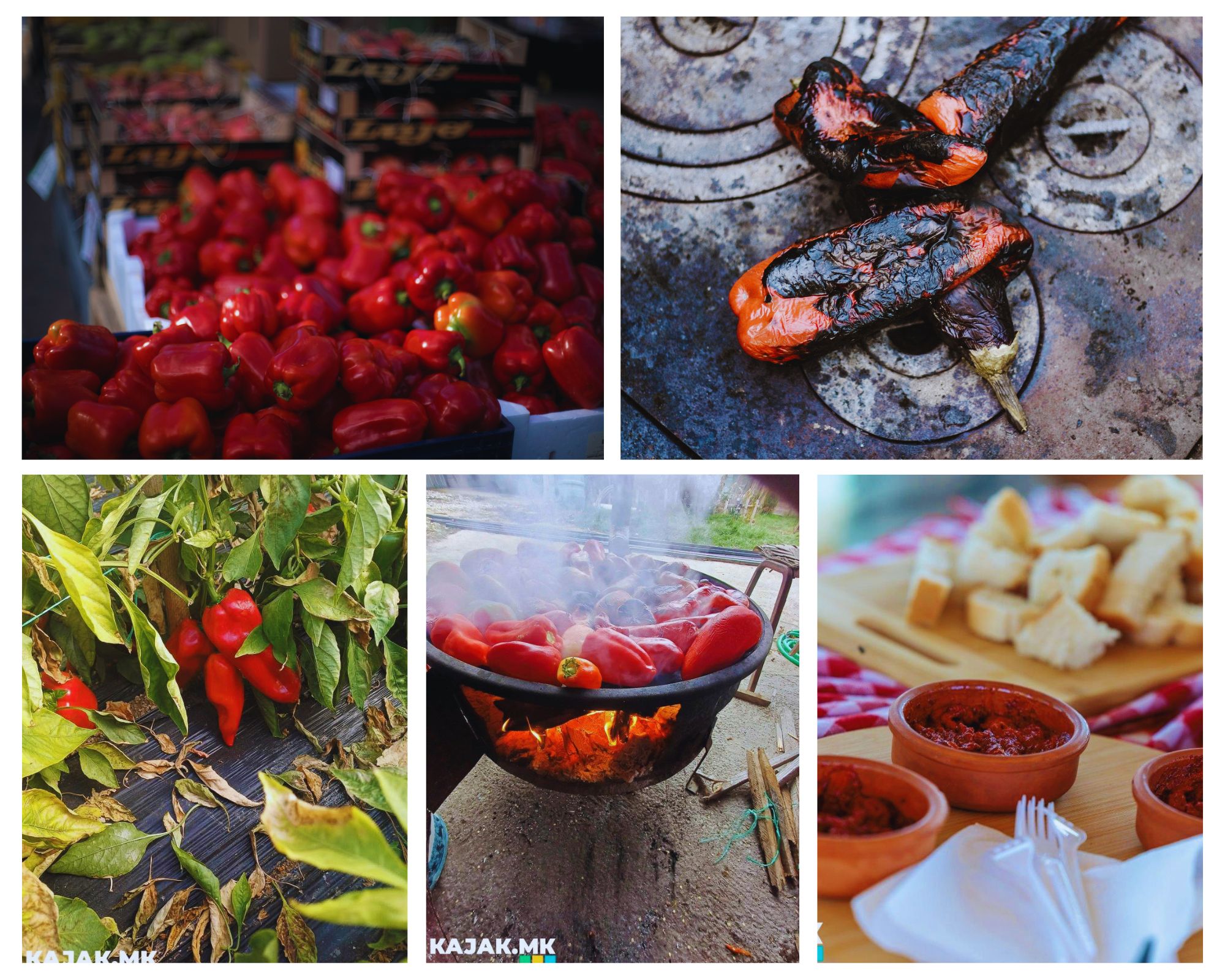
Macedonian Ajvar – Tradition, Homemade Food and Autumn Flavours
Discover the story of Macedonian ajvar, the tradition of making homemade preserves, family customs and authentic culinary experiences in Macedonia.

10 Affordable Cities in Europe for a Weekend Getaway
Discover 10 affordable European cities for a weekend getaway. Explore interesting destinations and learn how to plan your travel budget.

What to Do This Weekend in Skopje? | Kajak.mk
Looking for weekend ideas in Skopje? Discover horse riding, donkey walks, carriage rides, and fun outdoor activities with Kajak.mk.

Skopje Now Connects to 50 Direct Destinations as Travel from Macedonia Surges 29%
Skopje connected to 50 direct destinations in summer 2026, while passenger numbers from Skopje and Ohrid rose by 29%.

From an Idea to a Destination: The Story of Antiko in the Heart of Berovo
In the heart of Berovo, Antiko welcomes you with homemade flavors, a warm atmosphere, and genuine hospitality — a place where good moments are shared around the table.