18.11.2026
How Many Bears Live in Macedonia? Scientists Are Looking for Answers in Their DNA
How Many Bears Live in Macedonia? Scientists Are Looking for Answers in Their DNA

Imagine being able to identify a bear without ever seeing it, photographing it, or getting anywhere near it. All you need is a trace it has left behind in the forest, which can then be sent to a laboratory for analysis. This is exactly how an interesting scientific study is taking shape in Macedonia, aiming to discover how many brown bears actually live in the country's mountains.
The project began in Pelister National Park, with the aim of expanding research across other protected areas. Its goal is to gather much more accurate information about the number of brown bears, their movements, and the genetic diversity of their population.
The most fascinating part is that scientists will not need to capture, hunt, or disturb the animals. Instead, their research relies on collecting samples found in their natural environment.
How Can Scientists Identify a Bear Through Its Droppings?
Every bear has a unique DNA profile, containing genetic characteristics that allow it to be distinguished from other individuals.
Researchers collect samples of bear droppings found in the forest. Each sample is carefully labelled with its location, preserved according to specific procedures, and then sent for laboratory analysis.
Genetic material can be extracted from these samples. By comparing the results, scientists can determine whether two different samples came from the same animal or from two separate bears.
This helps prevent the same bear from being counted more than once, as an individual animal can travel through several different parts of a mountain.
This technique is known as non-invasive genetic monitoring. It is a modern way of studying wildlife without directly disturbing the animals or interfering with their natural behaviour.
Did We Already Know How Many Bears Live in Macedonia?
For years, the brown bear population in Macedonia has been estimated using available field data, sightings, and other research methods.
The National Red List of Species provides an estimate of between 333 and 381 individuals, while also pointing out that the available data have not come from regular systematic monitoring.
This is precisely why the new research is so important. Instead of relying only on estimates, scientists now have the opportunity to collect data about individual animals.
Genetic analysis can also help determine the sex of individual bears, assess genetic diversity, and better understand the structure of the population, depending on the quality and quantity of the samples collected.
Pelister Is the Starting Point, but the Research Does Not End There
In August 2026, Pelister National Park hosted the first specialised training session in Macedonia dedicated to genetic monitoring of brown bears.
Park employees and ranger teams received training on how to properly collect, label, preserve, and document samples in the field.
In September of the same year, Shar Mountain National Park also joined the research. Its rangers completed practical training and announced plans to begin collecting samples within the park.
This is particularly important because bears do not live according to the administrative boundaries of national parks. They move across large forested and mountainous areas and sometimes cross international borders.
That is why research needs to cover several different locations.
Bears Do Not Recognise National Borders
One of the most interesting objectives of the project is to understand how bears move throughout the Dinaric-Pindus region.
This is a vast mountainous area covering nine countries: Macedonia, Albania, Bosnia and Herzegovina, Greece, Kosovo, Croatia, Montenegro, Serbia, and Slovenia.
According to information from the Ministry of Environment, an estimated 4,000 brown bears live across this wider region.
However, knowing the approximate population is not enough to protect them effectively. Researchers also need to understand where they move, which mountain areas connect their habitats, and where obstacles prevent their natural movement.
On 20 October 2026, an interactive map was published as part of the LIFE DinPin Bear project, allowing visitors to follow the progress of genetic sample collection across the region.
Each point on the map represents a registered sample entered into the genetic monitoring database. As new data are collected and recorded, the map is updated.
It is an interesting way for the public to see how an international scientific research project works in practice.
Why Is This Information Important for People Living in Mountain Regions?
Protecting bears is not only important for nature. It is also directly connected to the lives of people living close to their habitats.
In some rural areas, bears can cause damage to beehives, orchards, and property. Without sufficient information about their movements and behaviour, it is more difficult to prevent these situations.
Better data can help experts plan protective electric fencing around beehives, improve waste management, and introduce measures to reduce encounters between people and wild animals.
The goal is not simply to protect bears, but to create conditions in which people and wildlife can share the same environment with fewer conflicts.
A Research Project That Could Change How We Understand Wildlife in Macedonia
The LIFE DinPin Bear project is part of a European initiative focused on the long-term conservation of brown bears throughout the Dinaric-Pindus region. It brings together scientific institutions, nature conservation organisations, national parks, and government institutions from several countries.
In Macedonia, participating institutions include the Macedonian Ecological Society, the Ministry of Environment, and the national parks.
The research is still ongoing, meaning the final results are yet to come. Nevertheless, this approach represents an important step towards better understanding one of the most impressive inhabitants of our mountains.
The next time you think about Pelister, Shar Mountain, or Mavrovo, remember that an unusual research project is taking place in their forests. Scientists are collecting small traces left behind in nature to uncover a much bigger story about the lives of brown bears in Macedonia.
Perhaps the most fascinating part is that, for the first time, the answer will not rely solely on sightings and observations, but also on their DNA.
Follow Kajak.mk for unusual stories, discoveries about nature, and interesting developments from Macedonia.
Блог
Препораки
Read More
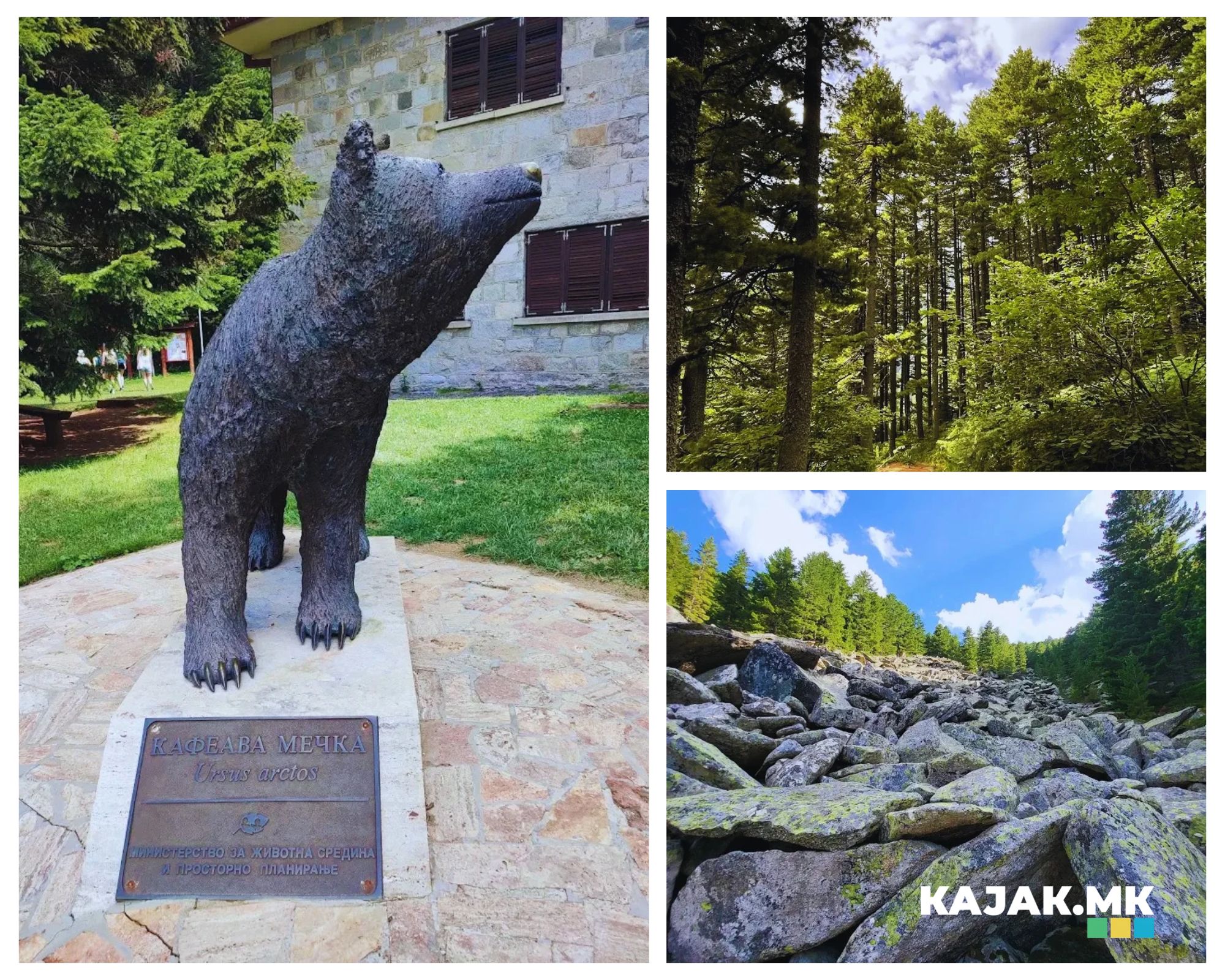
How Many Bears Live in Macedonia? Scientists Are Looking for Answers in Their DNA
How many bears live in Macedonia? Scientists are using DNA samples collected in the wild to conduct systematic genetic monitoring of brown bears and learn more about their population.

Cooking Together for a Delicious November Team-Building Experience in Vevčani!
Колективно готвење за вкусен ноемвриски тим-билдинг во Вевчани!
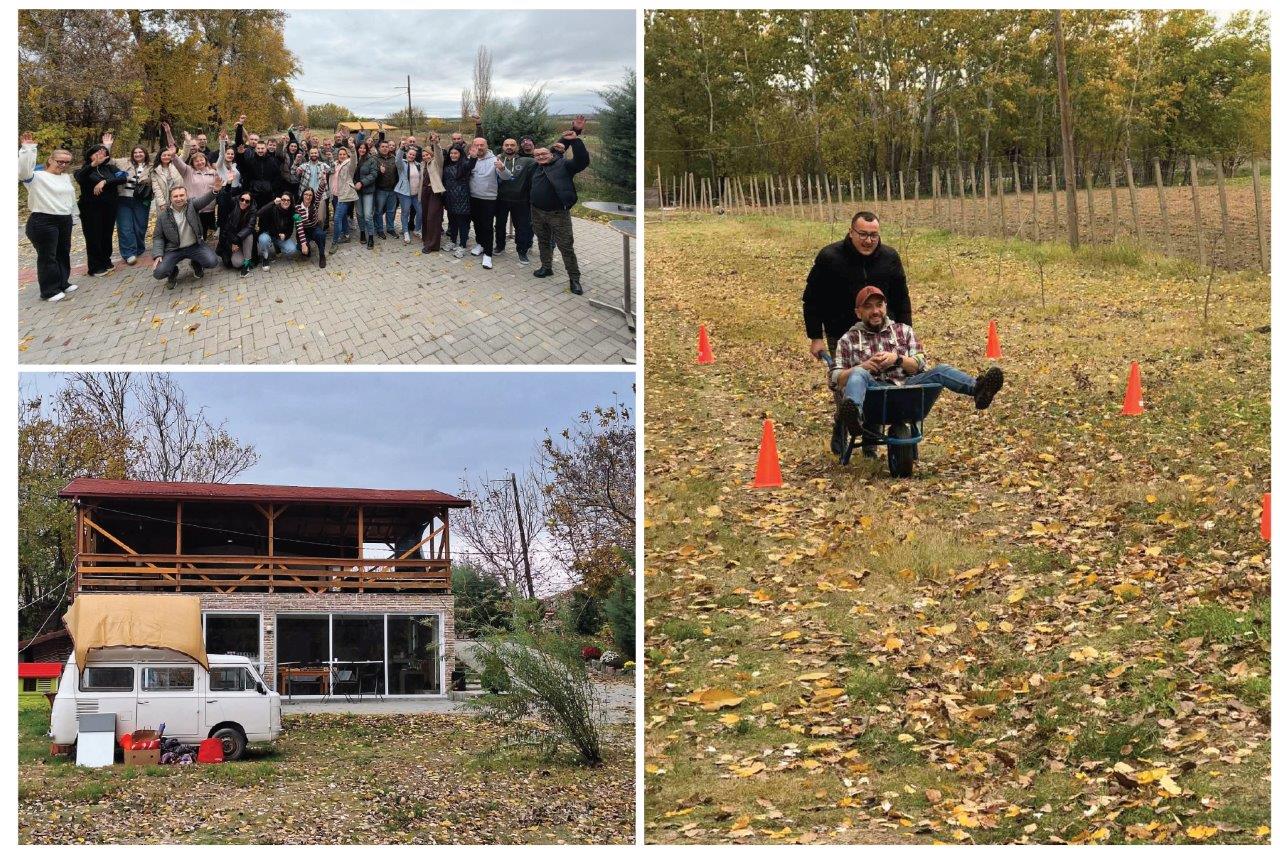
November Rural Team Building with TaskForce!
Who says November can't be an exciting month for team-building adventures? With the right clothing, a positive mindset, and most importantly, a great team, any trip can turn into a wonderful team experience filled with laughter, bonding, and unforgettable moments.

Italian Cuisine Week in Skopje 2026: Gastronomy and Tradition
Italian Cuisine Week in Skopje 2026 brings culinary workshops, masterclasses and presentations of traditional Italian regional specialities.

Ohrid Airport in the Winter Season 2026/2027: New Opportunities for Tourism
Ohrid Airport in the Winter Season 2026/2027 offers opportunities for better connections with European cities and tourism development throughout the year.

Macedonia Surprises Once Again: Ancient Mosaic Discovered at a Little-Known Site
Pelenica Mosaic near Drachevo reveals another chapter of Skopje's ancient history. Discover what archaeologists have uncovered.