23.03.2022
Baking Homemade Flatbread Daily: A Family Happiness Tradition
Baking Homemade Flatbread Daily: A Family Happiness Tradition

Every day, we read news about four things: flour, eggs, bread, and oil. We hear about the rising price of bread in stores, and because of that, here at Kajak, we decided to talk with someone who, instead of buying bread from the store, bakes it at home!
For us, these people have always been different. It’s an act of love, and there’s no argument that can prove those who bake homemade bread are doing anything wrong.
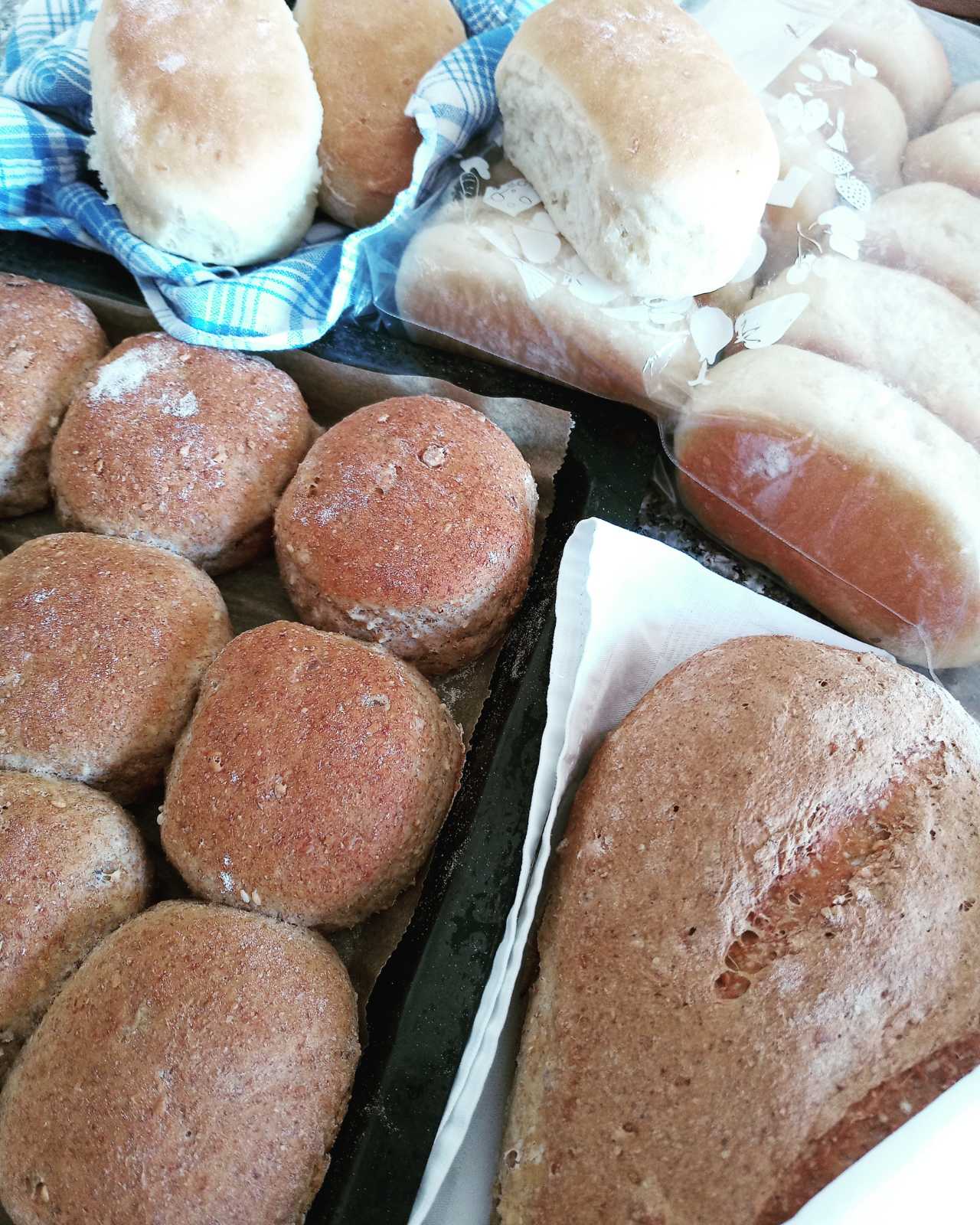
On the contrary, as a story that might inspire you to start baking homemade bread, we chose the story of Jasmina Krsteska. But why her story? Because Jasmina defies the common excuse that many use — not having enough free time to bake bread at home.
Jasmina is 43 years old, a mother of three, and works full-time.
For us, she is a heroine, and she describes herself as a cheerful person who is very curious, loves to explore, learn, and is constantly searching for something new.

Jasmina told Kajak.mk that the idea of baking homemade bread developed gradually. She and her husband consider themselves gourmets who are always thinking about healthier alternatives in their diet.
Jasmina says she is not one of those people who eliminate ingredients entirely in the name of healthy eating. At home, they often eat broccoli and cabbage, plenty of fruits and vegetables, oats and chia seeds, coconut milk, and protein supplements. But they also enjoy cake and pastries, pork fat, potatoes, pasta, and, of course, bread.
Jasmina believes the secret lies in balanced use of ingredients, and that these ingredients should come from known sources, ideally home-produced.
Because of these reasons, the idea of baking homemade bread developed. While reading the labels on bread packaging (at least on those that had labels), Jasmina noticed that they contained many additives and ingredients she didn’t like.
What should be a product made from just flour, water, salt, and yeast has been turned into something full of nitrates, sorbates, glutamates, and more, she adds.
She says she’s not an expert—far from it—but believes that thanks to the internet, we can access all the information we need anytime.
This dissatisfaction motivated the young family to buy a bread maker. But over time, they realized the best way was to bake bread in their own home oven.
Today, after 10 years, Jasmina still bakes homemade bread. She says she can count on one hand how many times she’s bought bread from the store.
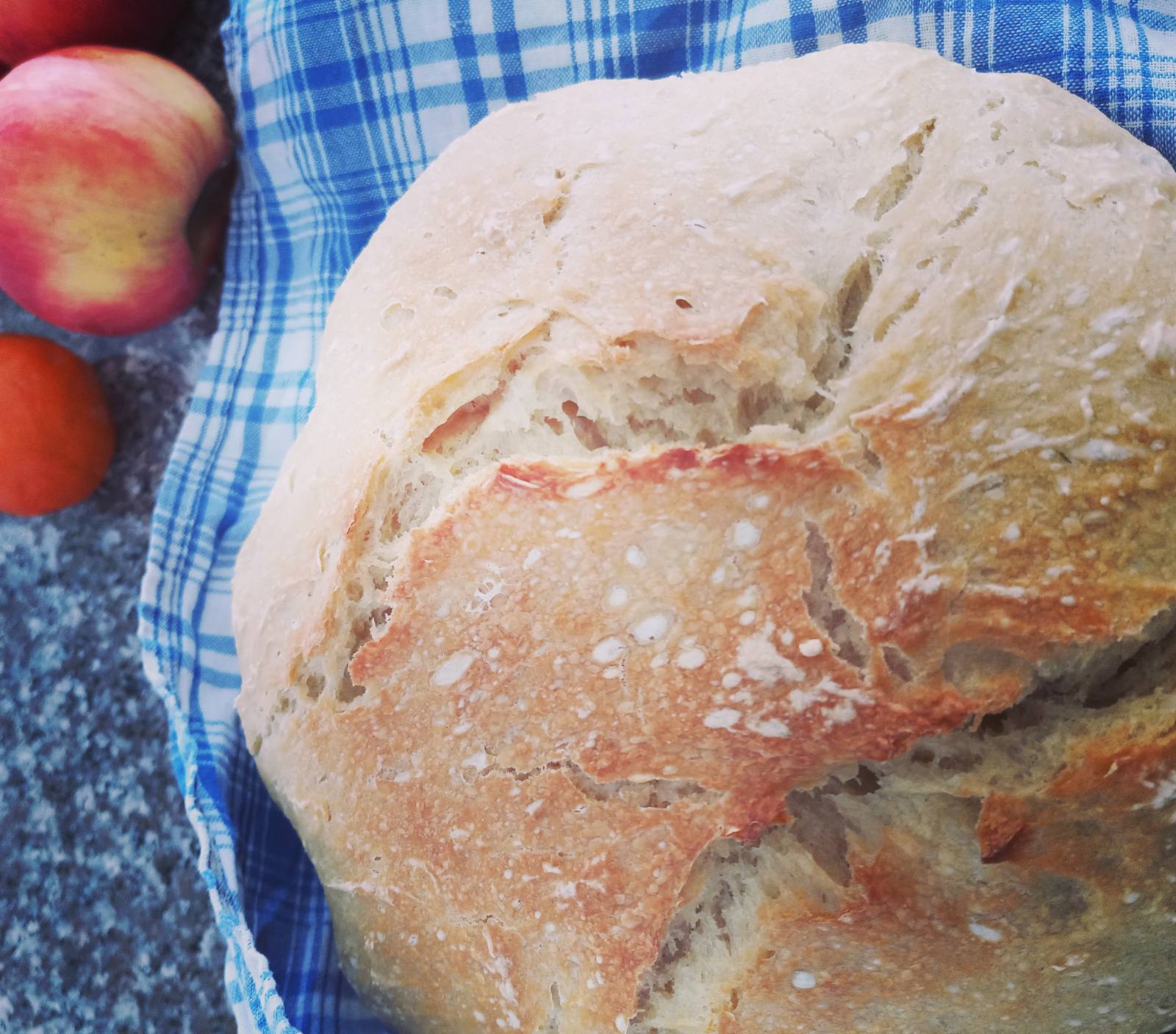
Contrary to popular belief, the process of kneading dough is not difficult at all and doesn’t take much time, advises Jasmina.
“Look, I am a person who loves to cook, but I don’t want to spend the whole day doing it, so I’ve adapted a few recipes that don’t take much time. Let’s be honest, in the beginning I made mistakes and things didn’t turn out as they should. But persistence always pays off, and now making bread is like meditation for me,” says Jasmina. She adds that the feeling of making something with your own hands from simple ingredients to feed your family is priceless, and recently she has developed the habit of bringing warm bread when visiting close friends and family—a gesture that makes everyone happy.
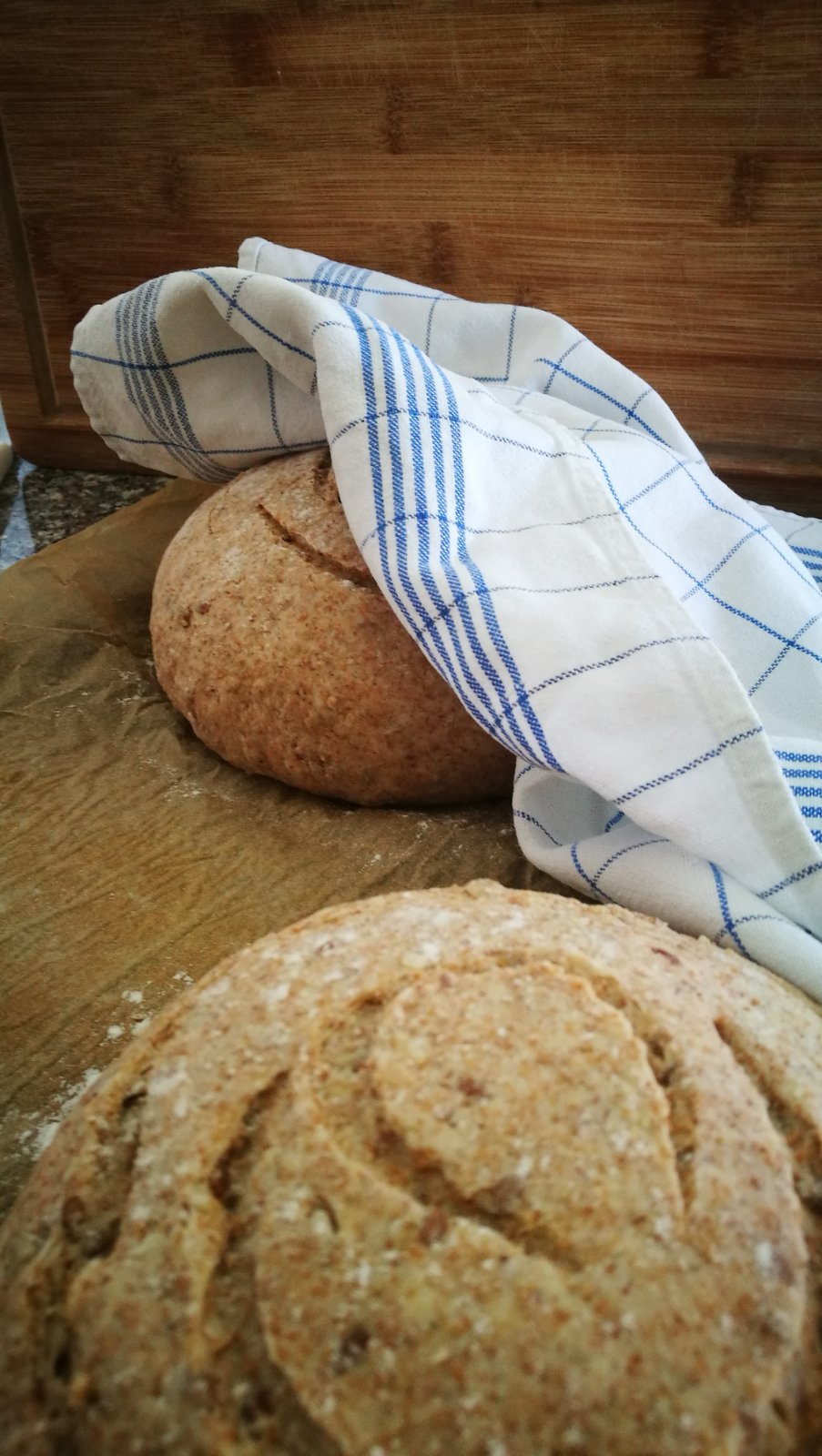
In Macedonia, we often hear many tips on how not to do things, but here at Kajak, we’re always looking for advice on how things should be done. That’s why we asked Jasmina to briefly explain the process of making homemade bread.
She says the key to good bread is letting the dough rise. The dough needs to rest so that small air bubbles can form, which later help make the bread soft. What really made a difference for her is the 40/40/40 method. This means that once the dough is formed, it first rests for 40 minutes to rise, then it’s kneaded again and placed in the baking pan, left to rise for another 40 minutes, and finally baked for 40 minutes.
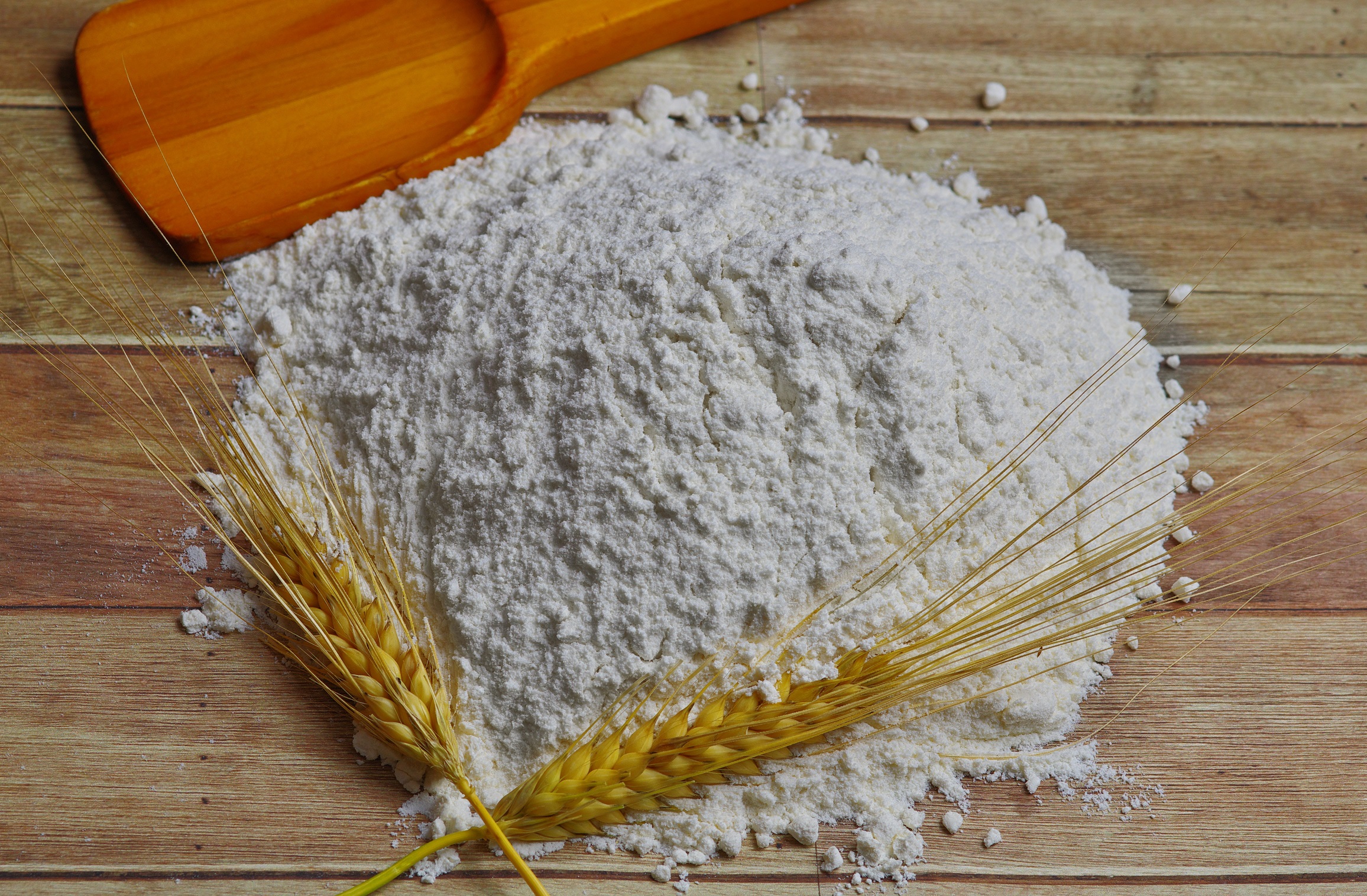
This process works for dough made with 700 ml of water, a tablespoon of salt, a tablespoon of sugar, one yeast cube, and a mix of “Graham” and white flour. From this amount, you get two nice loaves of bread. The only “tricky” part is that in the recipe, it’s never possible to say exactly how much flour is needed, because that varies due to many factors like the type of flour, the type of water, whether oil is added, if any seeds are included, and even the season of the year.
In this everyday recipe she shared with us, she starts with 2 cups of white flour, then adds 2 cups of Graham flour. There’s no need for long kneading—just about 5 to 10 minutes—to form a nice elastic dough, and that’s it. Nothing complicated, she says.
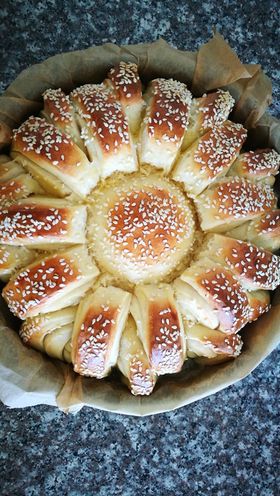
Jasmina’s favorite types of bread include no-knead ciabatta, which is left to rise overnight and baked in a pot—this one is a family favorite at home. She also finds small flatbreads very practical for school sandwiches.
In Jasmina’s humble opinion, bread made from whole grain flour (like whole wheat, Graham, etc.) that is homemade without additives should be part of everyone’s diet. Homemade bread is rich in B vitamins and dietary fiber, two key components of a healthy diet.
And the smell of freshly baked bread at home… priceless.
Блог
Препораки
Read More

Madrid Formula 1 Grand Prix: MADRING Confirmed to Host the Race Again in 2027
Madrid will host Formula 1 again in 2027. The inaugural MADRING race attracted more than 360,000 visitors and had a significant impact on tourism.

AI and the Future of Tourism: What Will Remain Uniquely Human?
How AI is transforming tourism, what it can automate, and why human connection, authenticity, and meaningful travel experiences will become more important.

Khiva – The Ancient Silk Road City Named by National Geographic as a Top Destination for 2026
Khiva in Uzbekistan is among the destinations highlighted by National Geographic for 2026. Discover this ancient Silk Road city, its unique architecture, and its rich cultural heritage.

Before the Weekend Begins: 5 Travel Stories You’ll Want to Know About
From new travel rules in Europe to destinations that are increasingly capturing travelers’ attention.
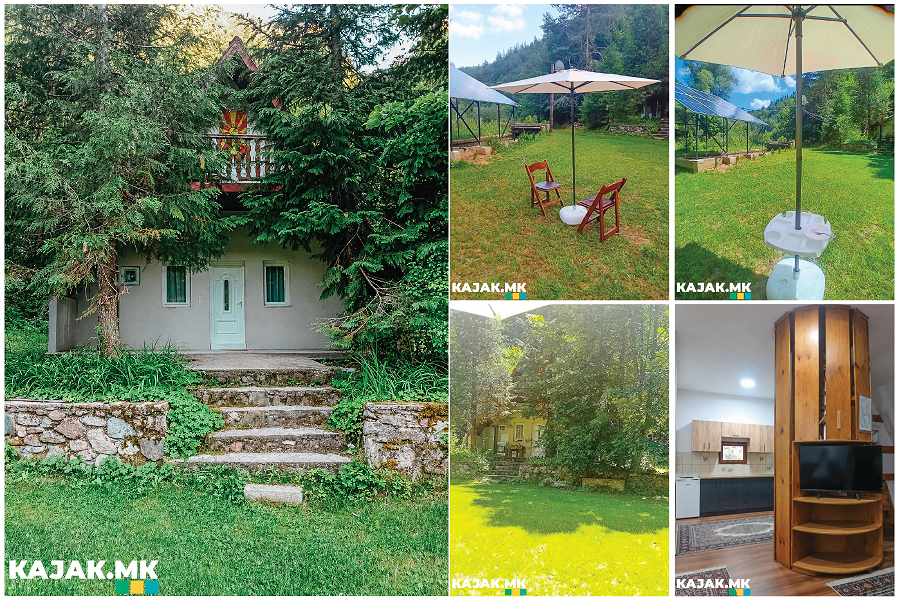
A Mountain Escape Where You Can Truly Disappear
A Mountain Escape on Kajak.mk Where No One Can Find You

In Kočani? Gamers Won’t Want to Miss This Place
In Kočani? Try VR, PlayStation 5 and Formula Simulator. A great choice for gaming, hanging out with friends, birthdays and team building.