04.02.2026
Traditional Crafts as a Pillar of Cultural Heritage
Traditional Crafts as a Pillar of Cultural Heritage

Traditional crafts are an essential part of cultural and historical heritage, reflecting daily life, values, and the artistic creativity of local communities. Handmade products such as woven rugs, wooden tools, cheese, and honey are more than just material objects—they are living testaments to the past, carrying history into the present and shaping cultural identity.
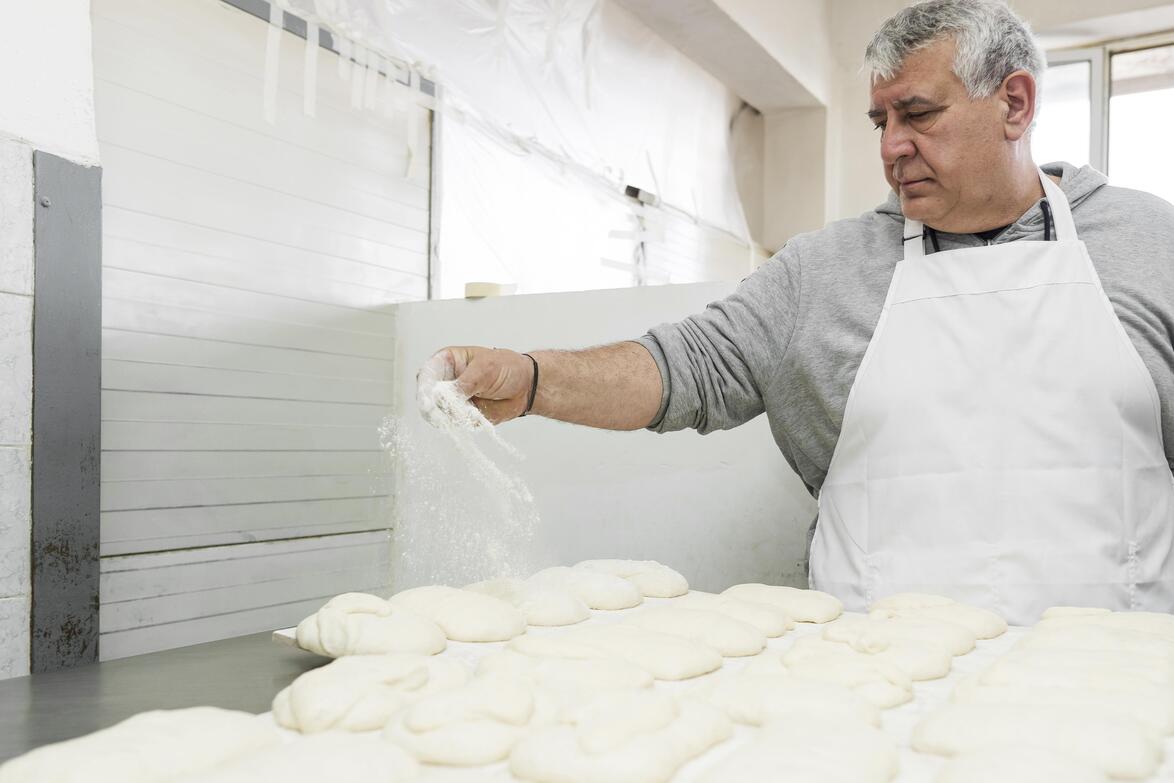

However, many of these traditional practices face significant challenges. With the aging of master artisans and limited interest from younger generations, the risk of this knowledge disappearing is real. Without systemic support and innovation, these crafts can remain in the shadows, disconnected from modern society and wider audiences.
On the other hand, there are examples of successful adaptation of traditional crafts to the contemporary world. Small producers use digital platforms for sales and promotion, while classic techniques are combined with modern quality standards. Ethno-villages, mini-museums, and interactive workshops offer new experiences for visitors, bridging tradition and contemporary culture. This not only increases the visibility of crafts but also creates sustainable economic opportunities for local communities.
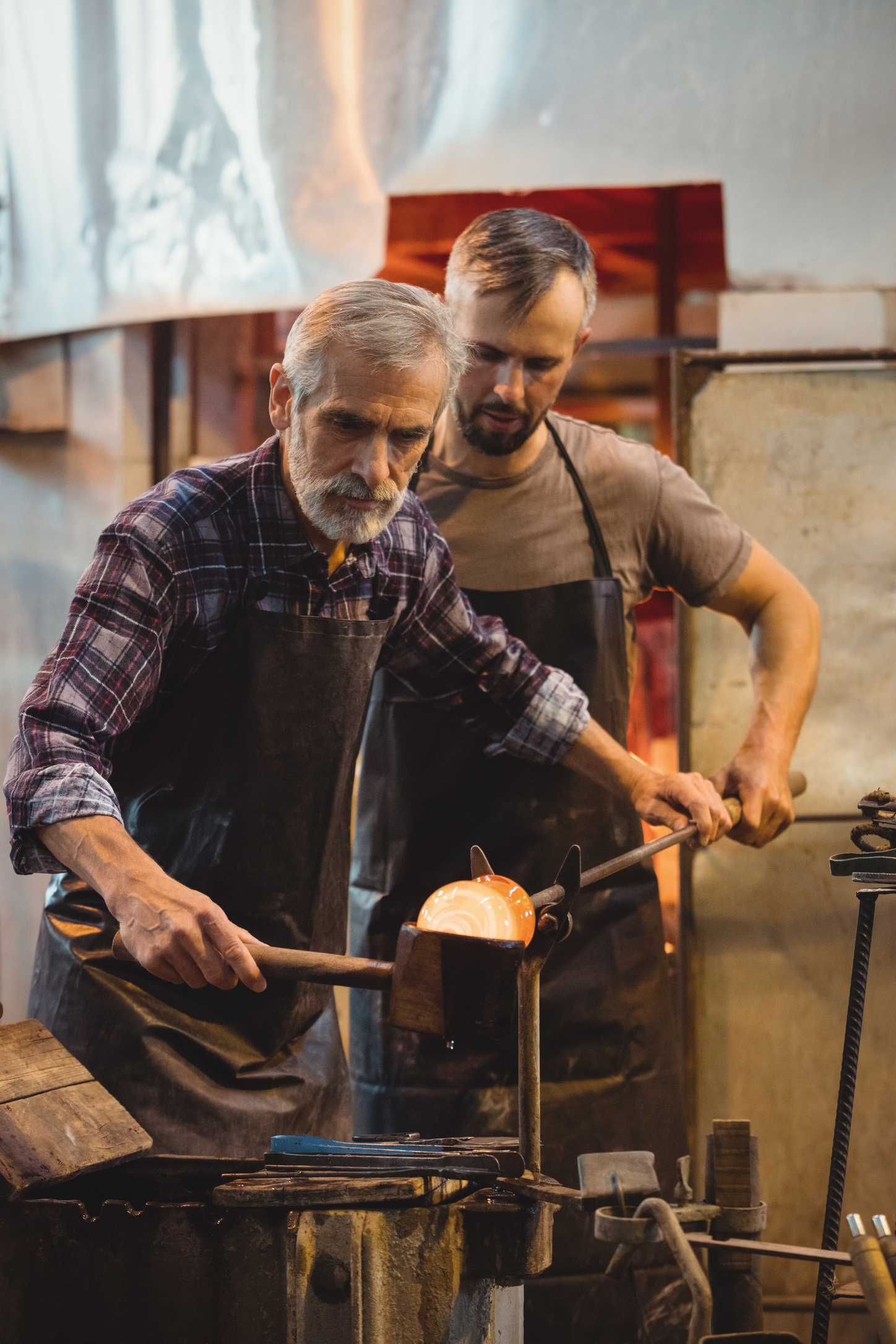
Although some crafts receive public attention, many remain under-promoted, limiting their cultural and tourist value. Preserving this heritage requires systematic planning: integrating craftsmanship into cultural tourism, educating younger generations, and supporting modern business models.
Traditional crafts offer more than aesthetic value—they create authentic tourist experiences, support local economies, and inspire creativity among young people. Tourism that promotes these practices not only preserves heritage but also generates vibrant cultural stories with contemporary relevance.

Visitor Recommendations
Visit local workshops and ethno-villages to experience the craftsmanship behind traditional products.
Support artisans by purchasing original handmade items.
Take the opportunity to taste local delicacies such as cheese, honey, or other homemade products that tell the cultural story of the community.
Traditional crafts are a living link between the past and the present. With proper support and adaptation to modern needs, they can find contemporary relevance and become an integral part of an authentic tourist experience.
Блог
Препораки
Read More

Madrid Formula 1 Grand Prix: MADRING Confirmed to Host the Race Again in 2027
Madrid will host Formula 1 again in 2027. The inaugural MADRING race attracted more than 360,000 visitors and had a significant impact on tourism.

AI and the Future of Tourism: What Will Remain Uniquely Human?
How AI is transforming tourism, what it can automate, and why human connection, authenticity, and meaningful travel experiences will become more important.
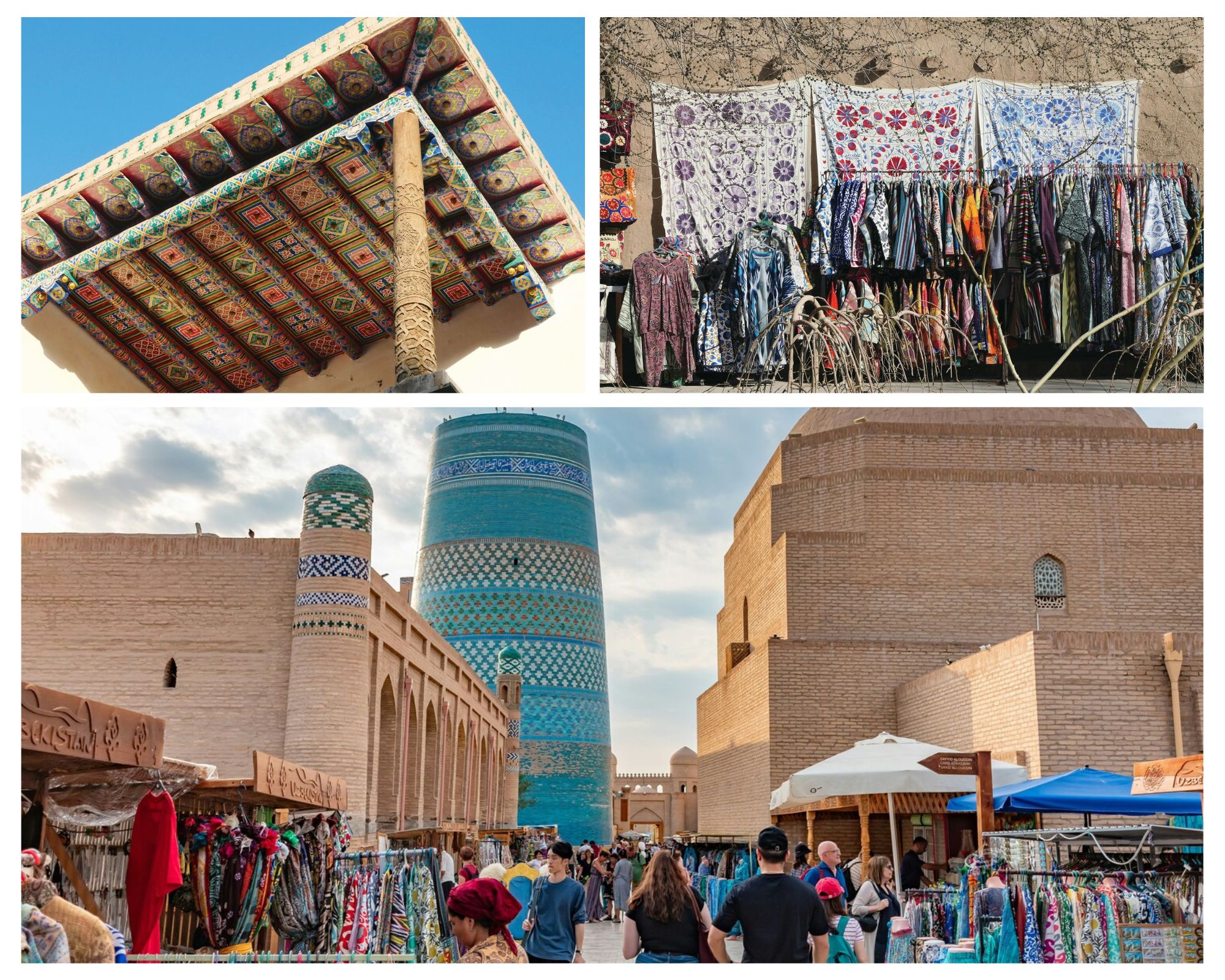
Khiva – The Ancient Silk Road City Named by National Geographic as a Top Destination for 2026
Khiva in Uzbekistan is among the destinations highlighted by National Geographic for 2026. Discover this ancient Silk Road city, its unique architecture, and its rich cultural heritage.

Before the Weekend Begins: 5 Travel Stories You’ll Want to Know About
From new travel rules in Europe to destinations that are increasingly capturing travelers’ attention.
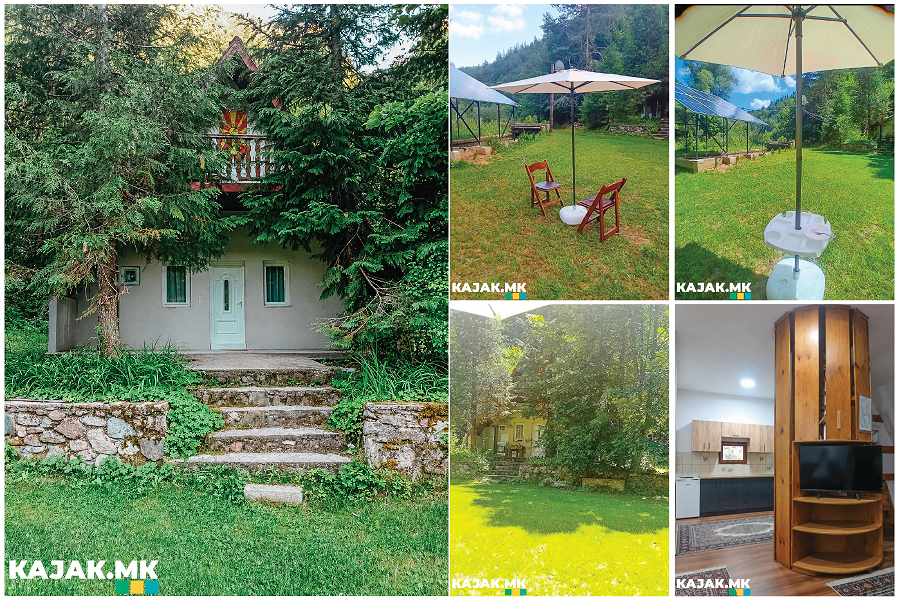
A Mountain Escape Where You Can Truly Disappear
A Mountain Escape on Kajak.mk Where No One Can Find You

In Kočani? Gamers Won’t Want to Miss This Place
In Kočani? Try VR, PlayStation 5 and Formula Simulator. A great choice for gaming, hanging out with friends, birthdays and team building.