10.12.2022
First Year as a Winery, Lifelong Agriculture Roots
First Year as a Winery, Lifelong Agriculture Roots

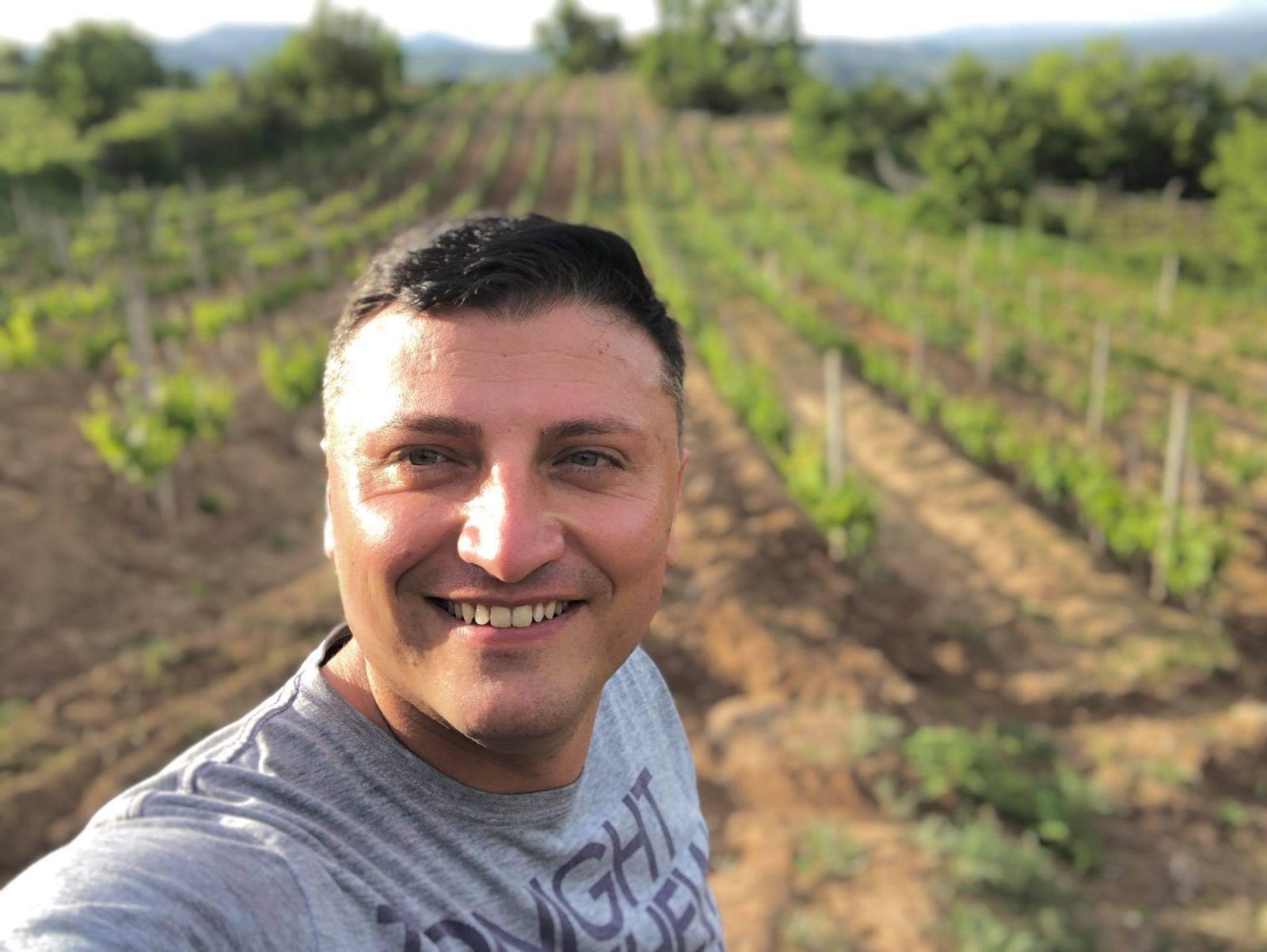
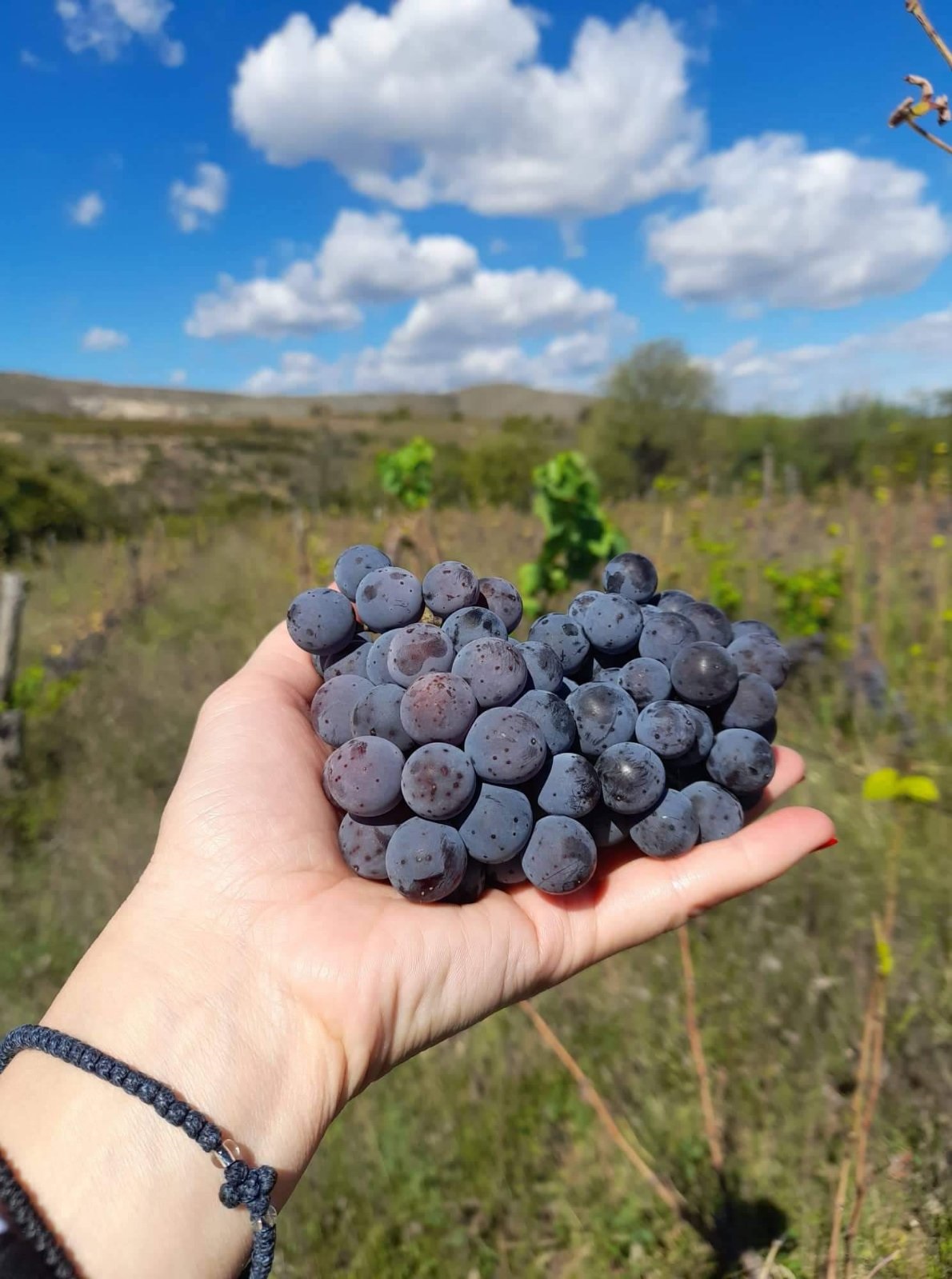
We'll wrap up the workweek with a lovely and heartwarming story about the Atanasov family from the village of Drenovo, who have spent their entire lives living off agriculture, particularly viticulture, which is their primary occupation.
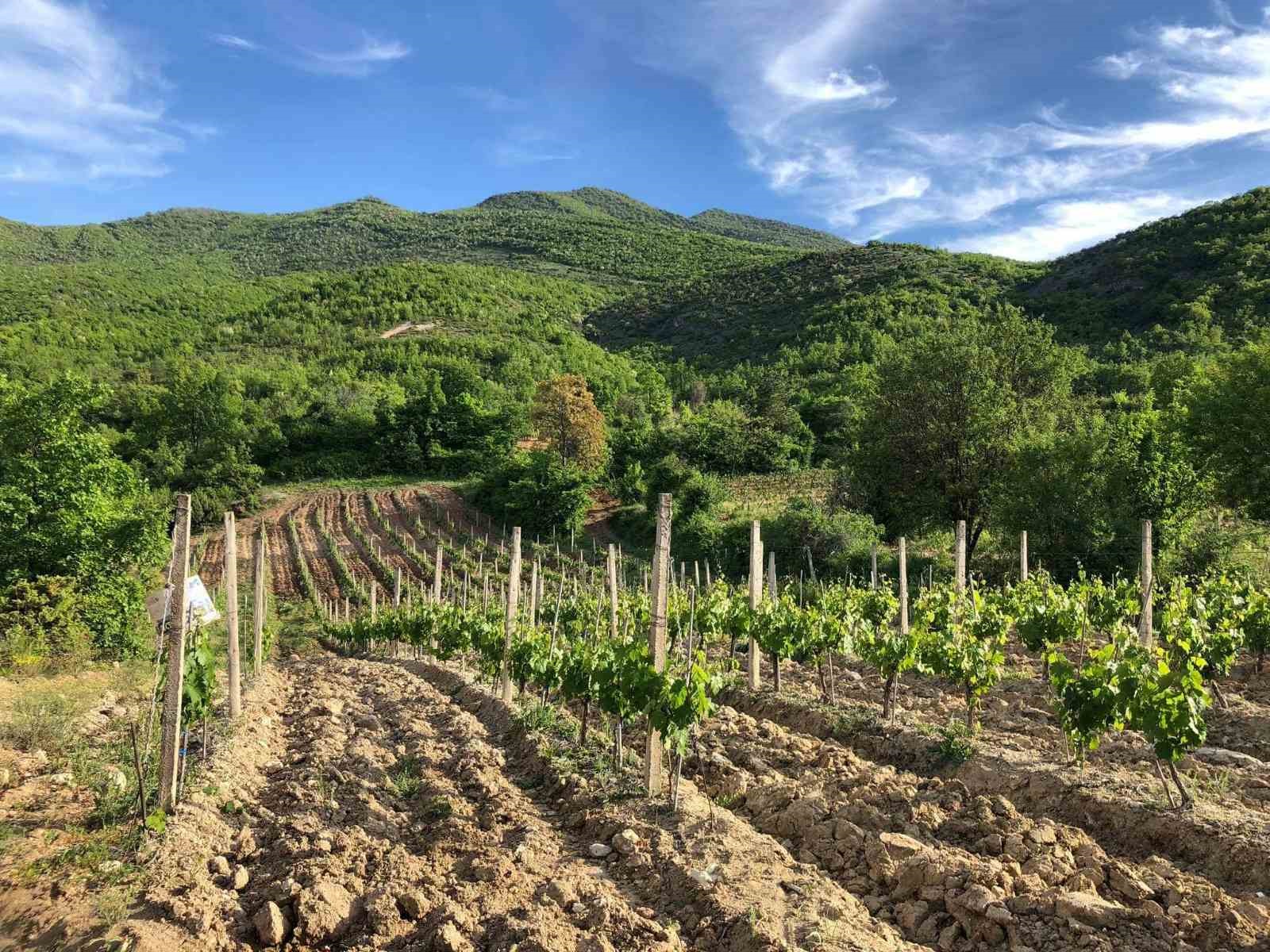
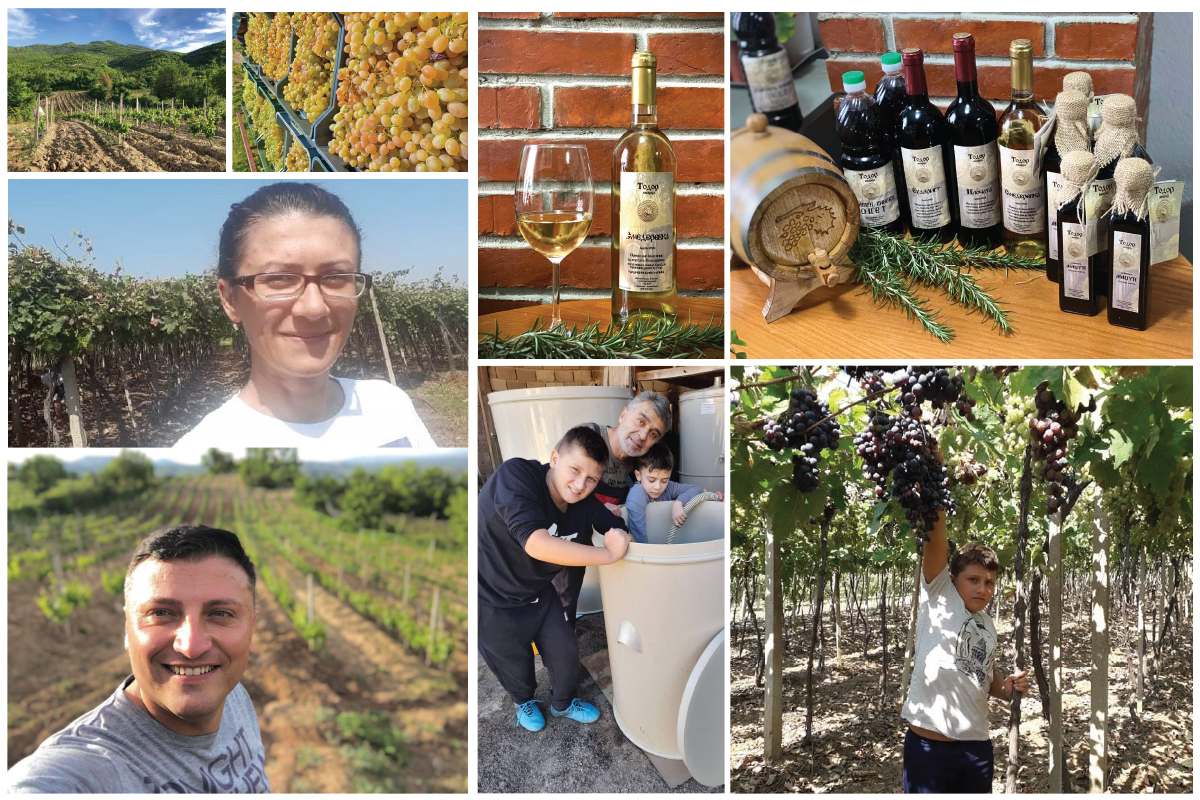
The Atanasov family shared the story of their new family winery, "Todor," which was officially registered this year, in September.
The winery is located in the village of Drenovo, Kavadarci, where their vineyards are also situated, just near the archaeological site of Eudaris, 5 kilometers from the village.
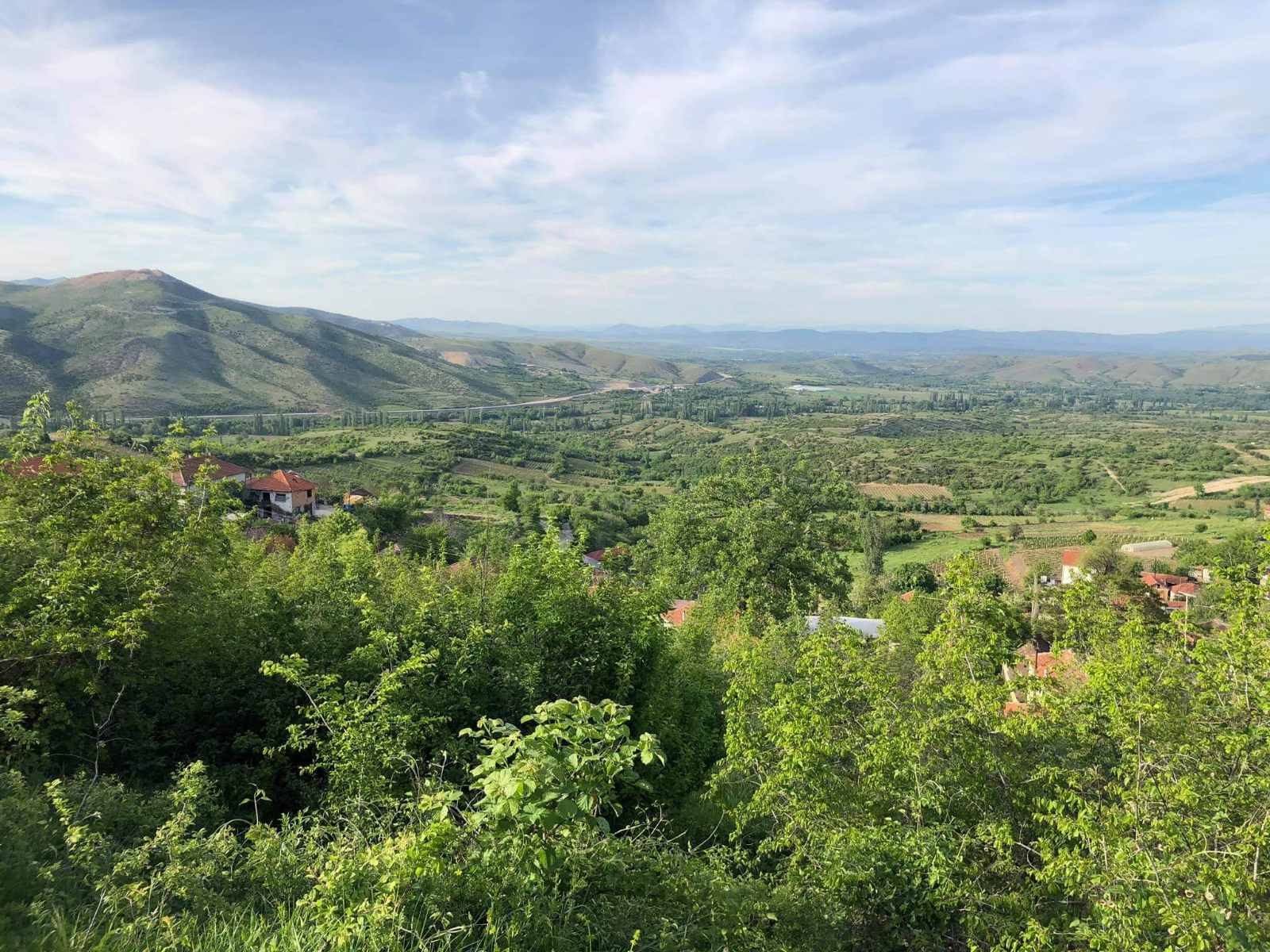
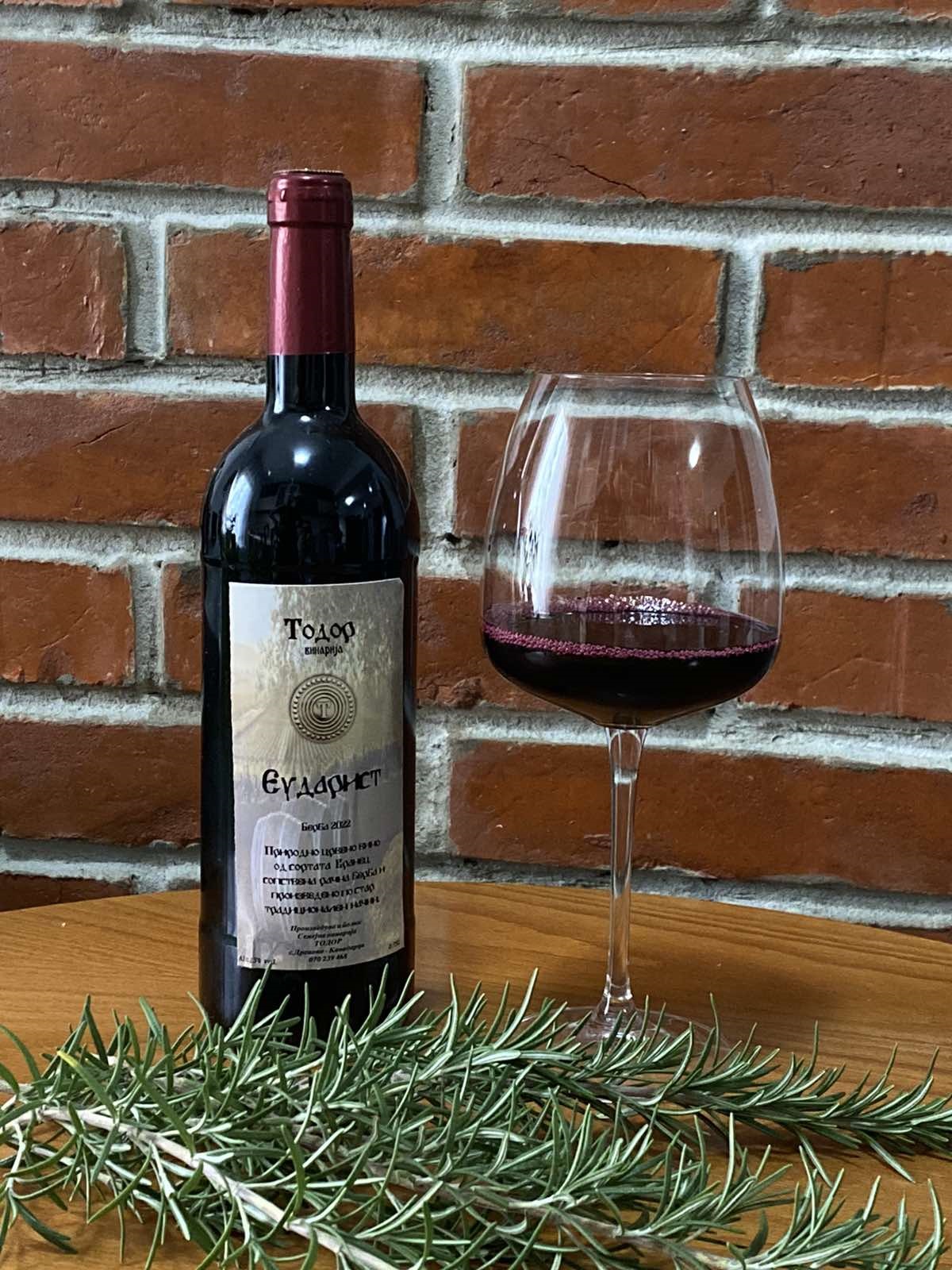
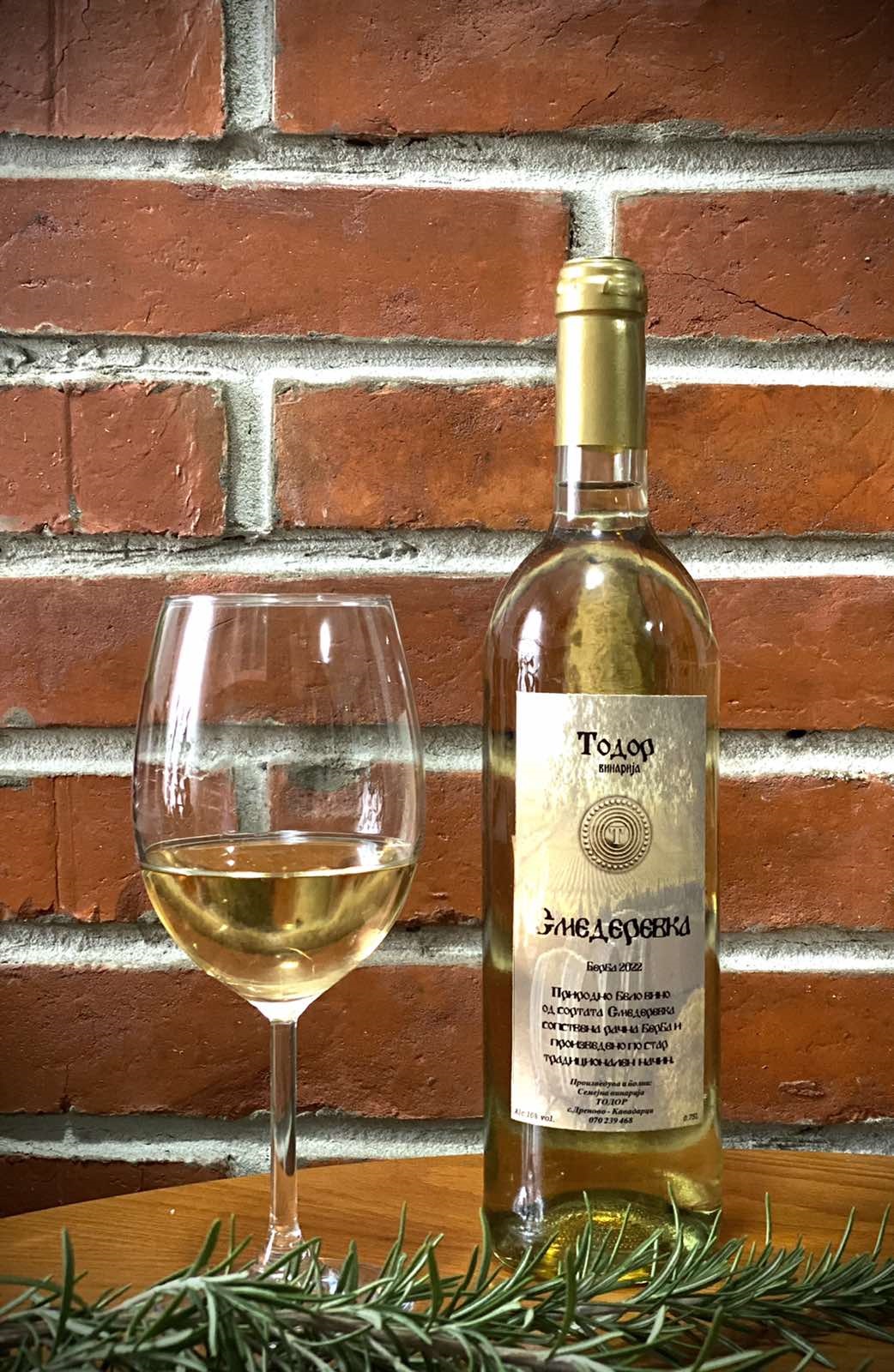
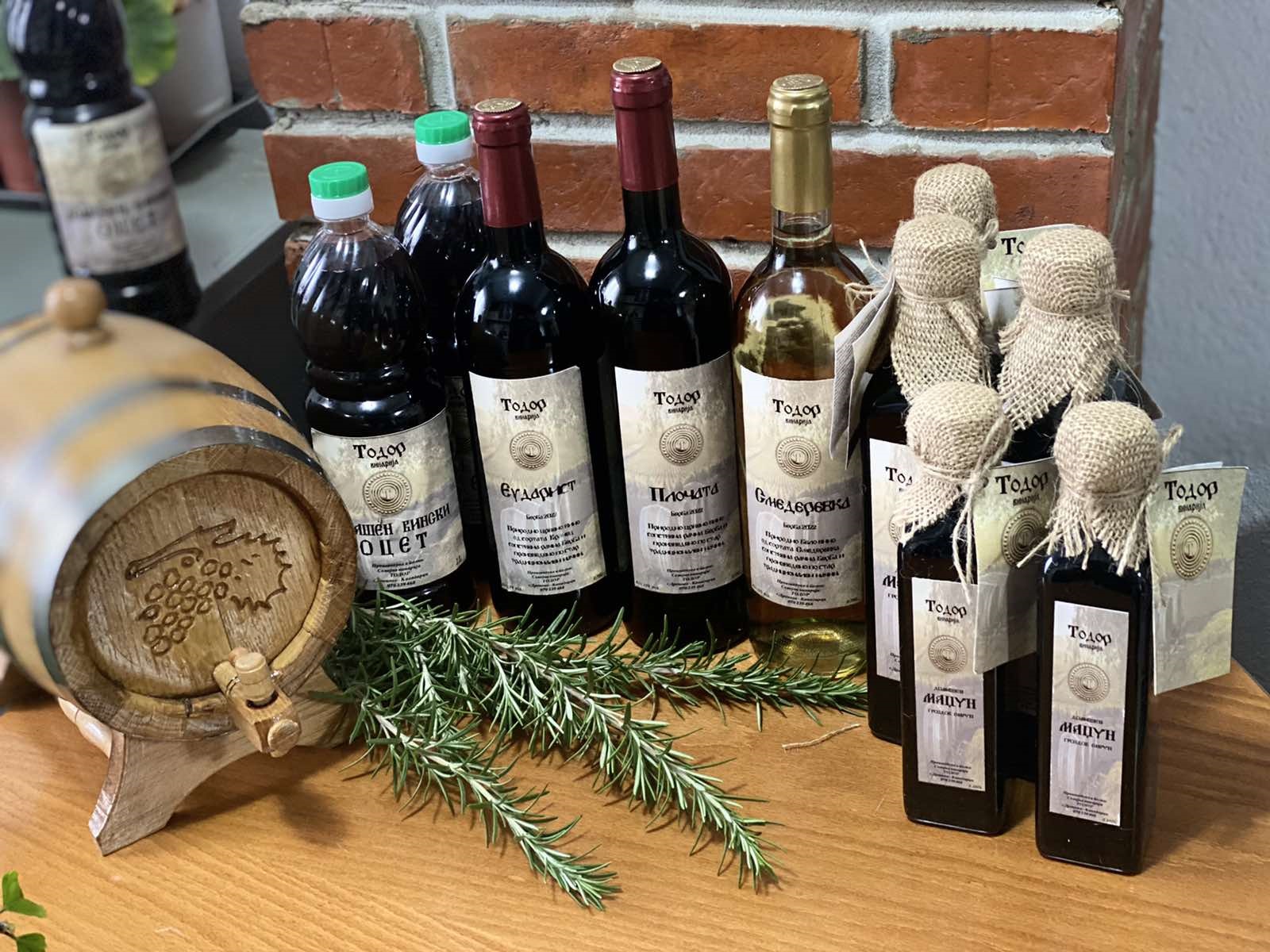
In the future, they plan to open their own small wine restaurant, where guests will have the opportunity to enjoy their wines paired with traditional food from the Tikveš region.
You can order and purchase the wine, maџun, and vinegar from the Kajak.mk shop or with just one click HERE.
Блог
Препораки
Read More
Beyond the Crowds: Macedonia Emerges as Europe’s Next Authentic Travel Experience
Discover why Macedonia is emerging as Europe’s next authentic travel experience. Explore hidden gems, breathtaking nature, local traditions, unique stays, and unforgettable journeys beyond the crowds.
Authentic Macedonian Cooking Experience with Grandma Lepa: Handmade Phyllo Sheets in a Traditional Village Home
Authentic Macedonian Cooking Experience with Grandma Lepa: Handmade Phyllo Sheets in a Traditional Village Home
New on Kajak.mk: Kayak and Boat Tours at Matka – Discover the Canyon from the Water
New on Kajak.mk: Kayak and boat tours at Matka. Explore Matka Canyon from the water, enjoy Lake Matka, Vrelo Cave, and unique natural landscapes near Skopje.
Lake Ohrid Catamaran Tours – A New Experience Available on Kajak.mk
Discover new catamaran tours on Lake Ohrid. Enjoy panoramic cruises, visits to St. Naum, the Bay of Bones, Radožda, the Blue Lagoons, and private boat tours for an unforgettable lake experience.
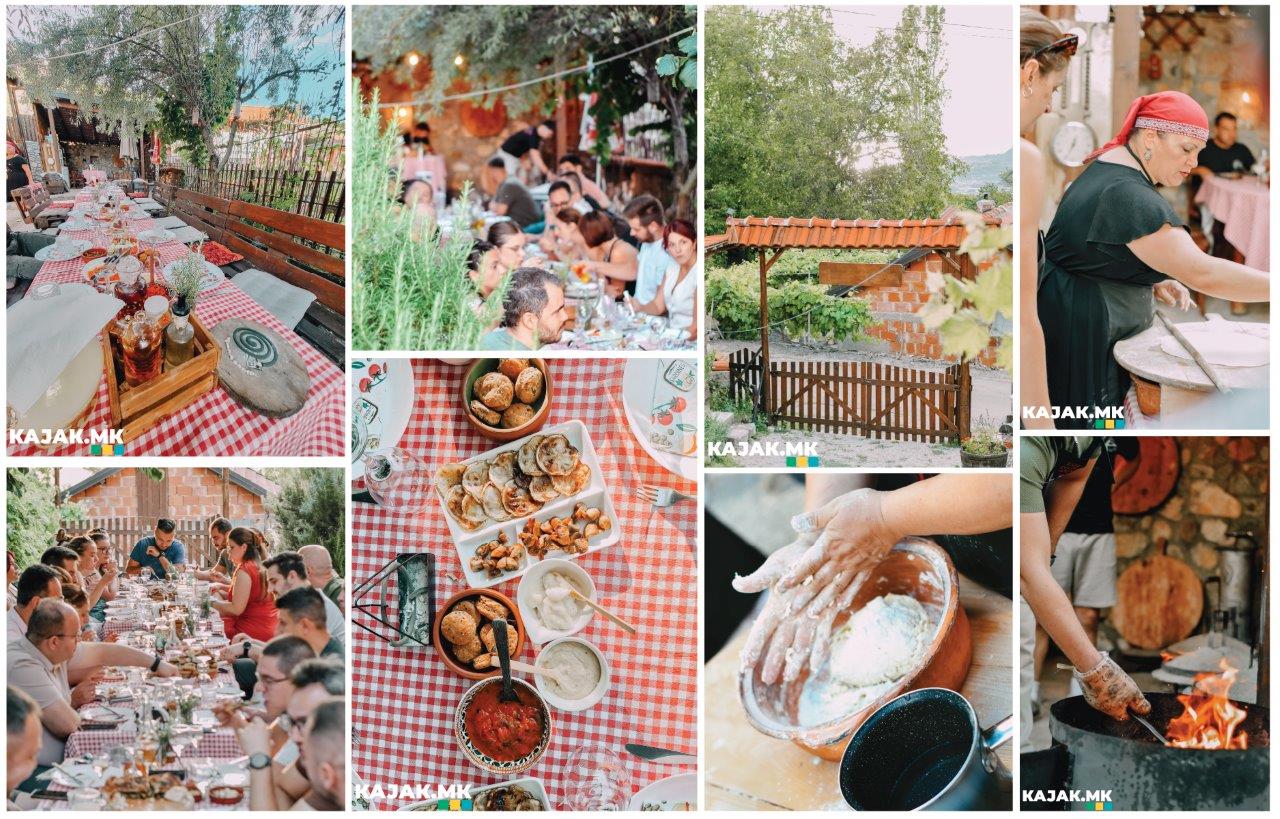
Unique Experiences in Macedonia: Lake Ohrid Boat Tour with Dinner & Live Music or an Open-Air Cinema Night
Unique Experiences in Macedonia: Lake Ohrid Boat Tour with Dinner & Live Music or an Open-Air Cinema Night
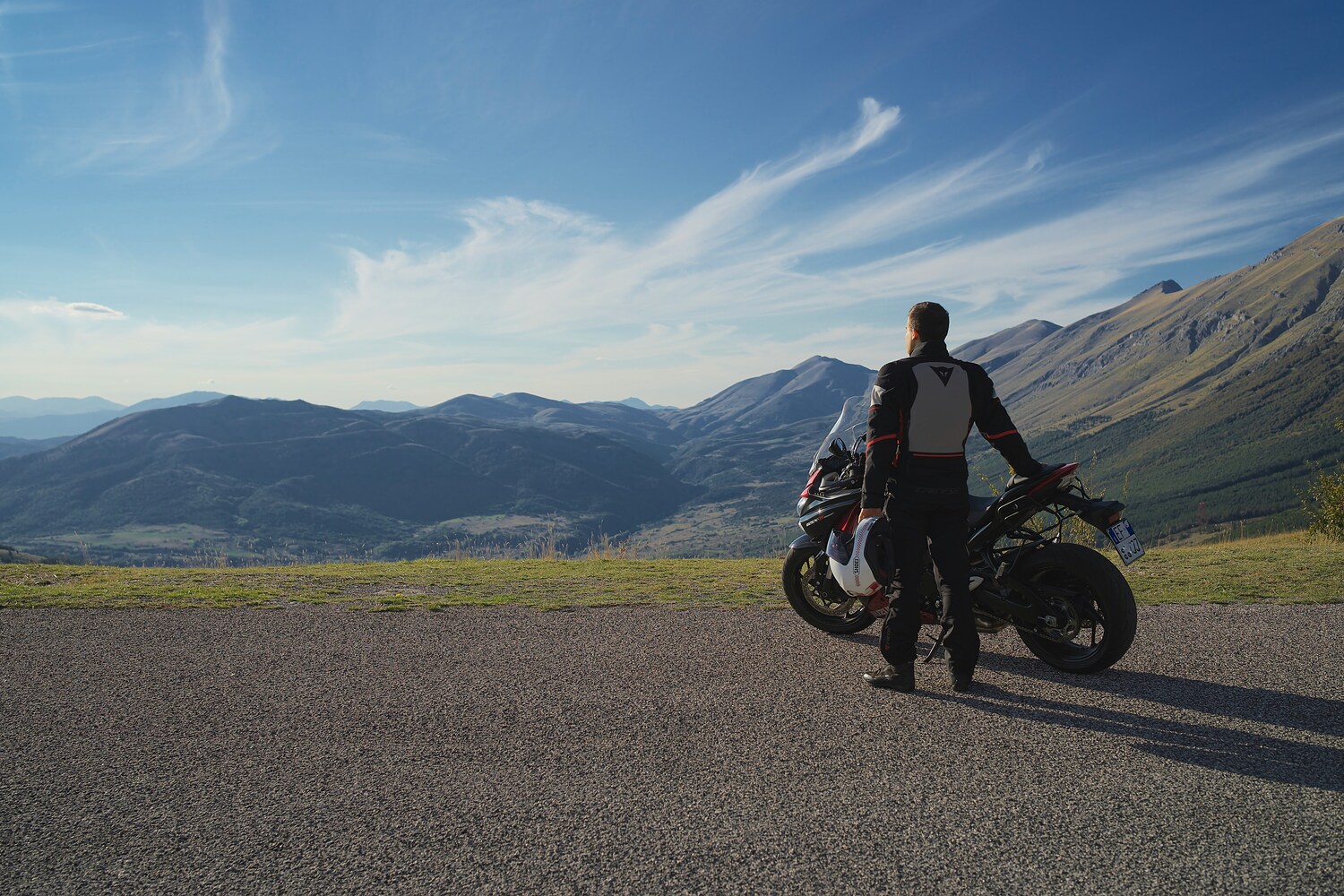
Macedonia by Motorcycle: The Best Motorcycle Routes and Hidden Adventures
Motorcycle Routes in Macedonia: The Best Roads for Motorcycle Touring Discover the best motorcycle routes in Macedonia – scenic mountain passes, lakes, hidden villages, and unforgettable adventures for motorcycle touring enthusiasts.